 blog
Is Professional Solar Panel Cleaning Worth It?
Last Updated: November 10, 2026
Quick Summary
Professional solar panel cleaning is worth it when the value of the energy you recover clearly beats the cost of the service. Run a break-even check using your system size, electricity tariff, expected output gain and cleaning frequency, then compare that recovered value with the quote. If the recovered value is below the quote, skip the clean.
- Compare quotes on the same pricing basis: per panel, per square metre, per visit or per kW.
- A gradual output decline across all panels points to soiling, while a sudden drop points to an equipment fault.
- Flat, low-tilt arrays in dusty, low-rainfall sites often justify annual or twice-yearly cleaning.
- Skip cleaning when output is steady, rain has been heavy, or the array is steeply tilted and self-clearing.
- Abrasive brushes, hard water and high-pressure spray can permanently scratch glass and affect warranty protection.
Table of Contents
- Does Professional Solar Panel Cleaning Pay for Itself?
- How Dust, Pollen and Bird Droppings Cut Energy Output
- Solar Panel Efficiency Loss Due to Dust: What the Numbers Show
- What Solar Panel Cleaning Cost THB Looks Like and How to Compare Quotes
- Drone-Based Solar Panel Cleaning Benefits for Roof-Mounted Arrays
- When Cleaning Is Worth It and When to Skip It
- Cleaning Risks, Panel Damage and the Safety Question
- Booking a Solar Panel Cleaning Assessment
- Frequently Asked Questions
Does Professional Solar Panel Cleaning Pay for Itself?
Whether professional solar panel cleaning is worth it depends on one thing: how much output your array has lost to soiling, and what that lost energy costs you.
Solar panel cleaning is the removal of dust, pollen, bird droppings and other buildup from panel glass so more sunlight reaches the cells.
Below, we show you how to measure the loss, estimate the value, and decide whether to book a clean or skip it this season.
How Dust, Pollen and Bird Droppings Cut Energy Output
Dirt blocks light before it ever reaches the solar cells. That is the whole mechanism, and it is why soiling hits output directly.
Different contaminants behave differently:
- Dust and fine grit build up evenly and cut output gradually.
- Pollen sticks in humid conditions and can cake into a film.
- Bird droppings create hot spots on small areas, which matter more than their size suggests.
Rain helps, but it is unreliable. Light rain often just smears dust into streaks. Heavy rain clears some buildup, yet it rarely reaches the lower edge of a tilted array where grime collects.
For a closer look at the factors behind output loss, see our guide on how to improve solar panel efficiency.
Solar Panel Efficiency Loss Due to Dust: What the Numbers Show
Solar panel efficiency loss due to dust is real, but it is rarely dramatic on a well-designed array. The honest position: we cannot quote you a fixed percentage, because soiling depends on your site.
What drives the loss up or down:
- Local climate: dry, dusty seasons and construction nearby raise soiling fast.
- Panel tilt: flatter panels hold more dirt; steeper panels self-clear better.
- Surroundings: trees, fields, and industrial exhaust all add to the load.
The only reliable number is your own. Compare your monitoring system's production data against a clean baseline, or against a nearby array with a different cleaning schedule.
What Solar Panel Cleaning Cost THB Looks Like and How to Compare Quotes
Pricing for solar panel cleaning varies by site, so treat any single figure with caution. Quotes depend on array size, roof access, panel tilt, how much soiling has built up, and whether the provider uses water-fed poles, manual brushes, or drones. Rather than shopping on the headline number, compare quotes on the same basis and then test whether the price clears the value of the electricity you expect to recover.
How quotes are usually structured
Most providers price in one of four ways, and mixing them makes comparison meaningless:
- Per panel: a flat rate for each module, common on residential rooftops.
- Per square metre of glass: scales with array area and is easier to compare across different panel counts.
- Per visit: a single call-out fee regardless of size, which favors larger arrays.
Ask which basis applies, whether travel or access equipment is included, and whether the price changes if the array needs a second pass. A quote that looks low per panel can climb once access, water quality, and disposal of the cleaning water are added.
A break-even check you can run before you book
You do not need a spreadsheet to decide whether a quote is worth it. Use your own system size, your electricity tariff, the output gain you expect, and the cleaning frequency to estimate the value of recovered energy, then compare it with the quote.
- Find your system size in kW from your inverter or commissioning documents.
- Estimate the output gain from cleaning. Use your monitoring data before and after a clean, or a conservative figure if you have no baseline.
- Convert the gain to units: system size in kW × peak sun hours for your area × the gain percentage × days between cleans gives an approximate kWh recovery.
- Multiply by your electricity tariff in THB per kWh to get the value of that recovered energy.
- Compare with the quote. If the recovered value over the interval between cleans is below the quote, the clean does not pay back on energy alone.
A common pattern is that arrays in dusty, low-rainfall sites with flat tilt recover enough to justify annual or twice-yearly cleaning, while steep, rain-washed arrays on low tariffs rarely do. The arithmetic, not the sales pitch, should decide.
What a reputable quote should include
When you compare service quotes, ask each provider the same questions:
- Is the price per panel, per square metre, per kW, or per visit?
- Does it include deionized or filtered water and non-abrasive tools?
- What is the access method, and is roof work involved or avoided?
A low quote that skips water quality or uses abrasive brushes can cost more in the long run through scratched glass and voided warranty protection. To request current pricing for your site, you can contact our team directly.
Most providers price cleaning in one of four ways, and mixing them makes comparison meaningless.
| Pricing basis | How it works | Best suited to |
|---|---|---|
| Per panel | A flat rate for each module | Residential rooftops |
| Per square metre of glass | Scales with array area | Comparing different panel counts |
| Per visit | A single call-out fee regardless of size | Larger arrays |
| Per system size in kW | Ties the price to installed capacity | Commercial contracts |
Drone-Based Solar Panel Cleaning Benefits for Roof-Mounted Arrays
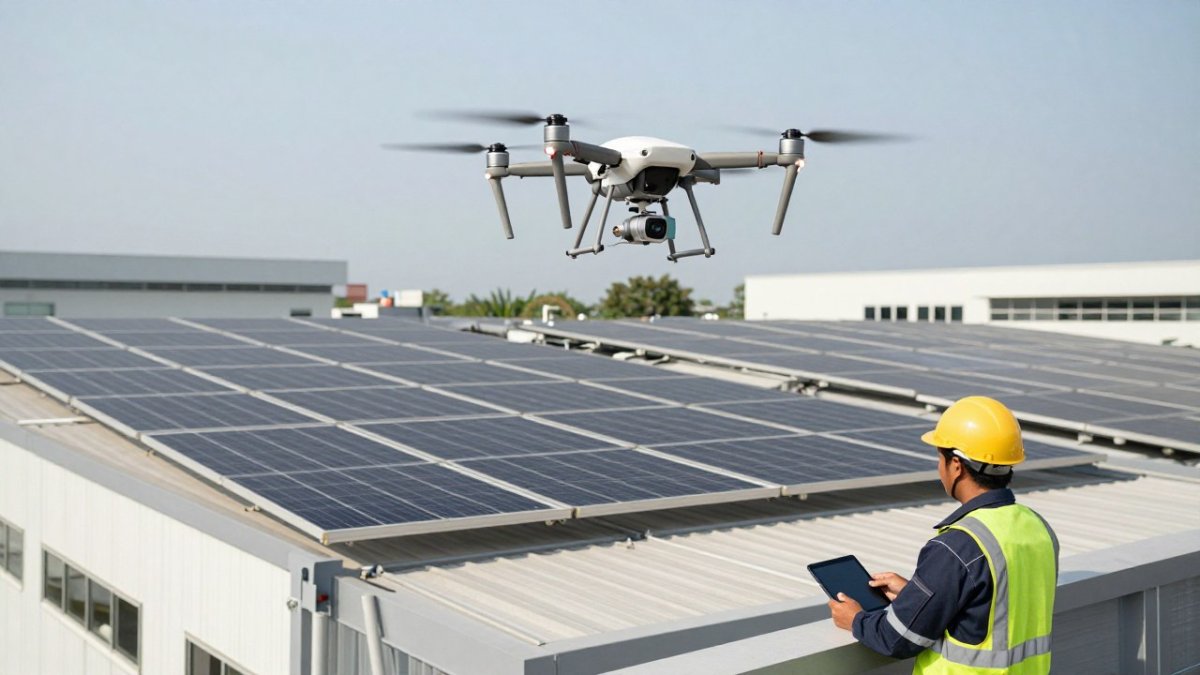
For roof-mounted systems, the biggest cost and risk is not the cleaning itself. It is getting people safely onto the roof.
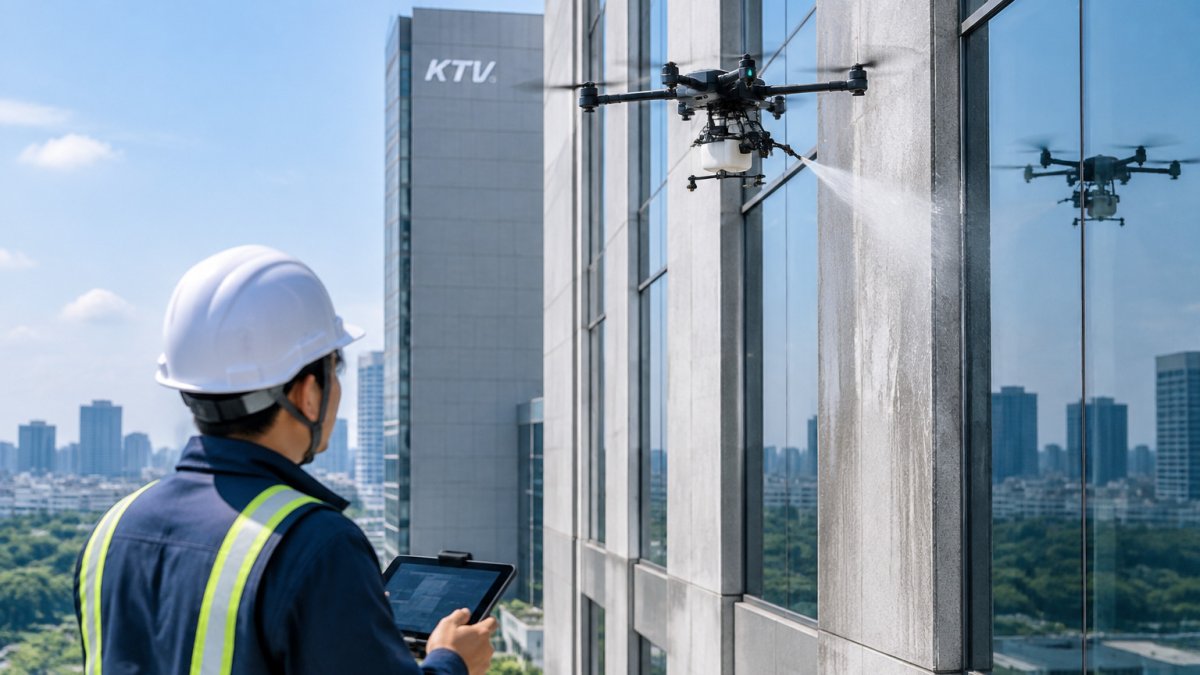
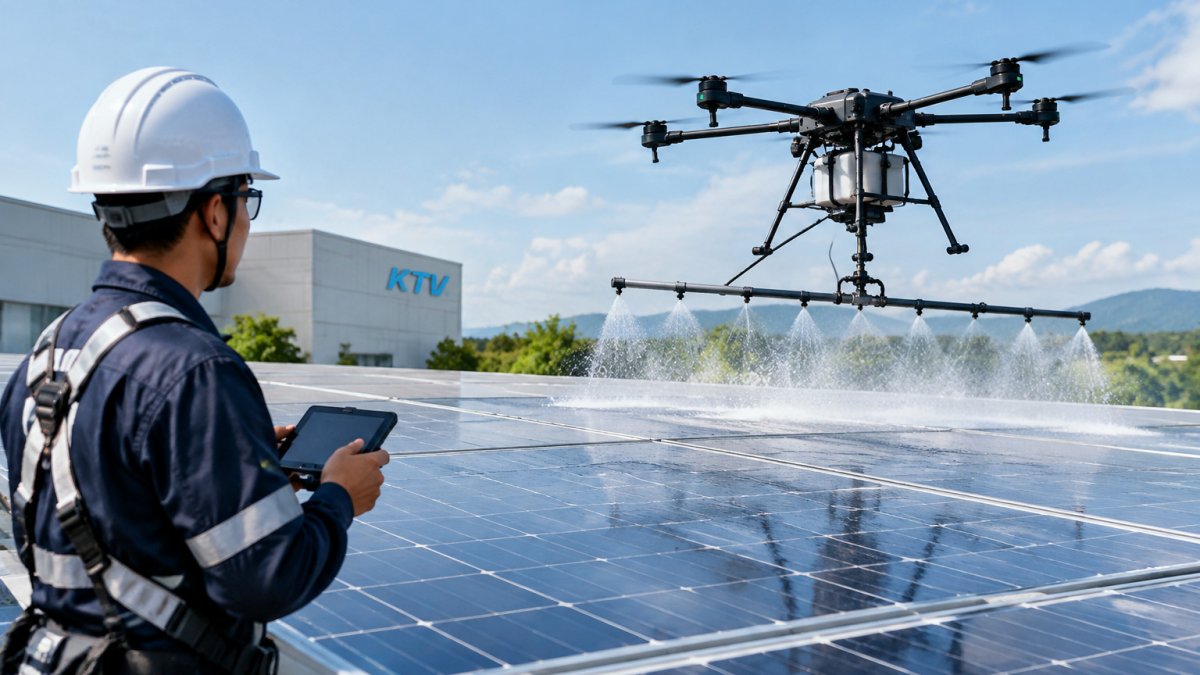
Drone-based cleaning removes that problem. Autonomous drone cleaning, as offered by drone-based providers, can avoid scaffolding and manual abseiling. That means:
- Reduced work-at-height exposure for your team or contractors.
- Chemical-free cleaning that avoids chemical residue on panel coatings.
- Faster than manual methods.
For facility and asset managers, those records matter. They turn a routine task into documented panel maintenance you can show auditors and stakeholders. You can read more on the benefits of drone solar panel cleaning for commercial arrays.
When Cleaning Is Worth It and When to Skip It
Cleaning is worth it when the value of recovered energy clearly beats the cost of the service, and when the loss you are seeing is actually soiling rather than a fault. The decision is easier if you separate three questions: is output down, is the cause dirt, and will a clean recover enough to pay for itself.
A decision tree based on observed output
Start with your monitoring data, not with how the panels look.
- Is output down versus the same period last year? Seasonal variation is normal. Compare like with like, and allow for weather, shading changes from grown trees, and any new equipment on site.
- Is the drop gradual or sudden? A slow decline over weeks points to soiling. A sudden step change points to an equipment fault, a tripped inverter, a blown fuse, or a communication issue, cleaning will not fix those.
- Is the drop uniform across the array? Even soiling affects all panels similarly. A single underperforming panel or string suggests a hot spot, a failed optimizer, or local shading, which needs a technician, not a wash.
- Is there visible soiling on the glass? Dust film, pollen, droppings, or leaf litter confirm the mechanism. If the glass looks clean and output is still down, inspect the equipment first.
- Will the recovered energy beat the quote? Run the break-even check above. If it does not, defer the clean and recheck after the next rainy season.
Watch out: cleaning a panel that is underperforming because of a fault hides the real problem and wastes the spend, so confirm the cause before you book.
When cleaning is clearly worth it
- Output has dropped noticeably versus the same period last year, and the decline is gradual.
- Visible dust, pollen film, or droppings are on the glass.
- The site is near dust sources, trees, construction, or industry.
When to skip it
Skip the clean when output is steady, rain has been heavy and frequent, or the array is steeply tilted and self-clearing. Cleaning a clean array adds cost with no return. Also defer when the observed loss traces to equipment, shading, or tariff changes rather than soiling.
How local conditions change the case
Climate and surroundings shift the break-even point more than panel brand or age:
- Drought and dry seasons: dust accumulates for months without a wash, so the case for cleaning strengthens.
- Wildfire ash: fine ash films the glass and can be abrasive if wiped dry, so cleaning method matters as much as timing.
- Coastal salt: salt spray leaves a film that rain does not fully clear, and it can accelerate frame corrosion, so periodic cleaning has a maintenance value beyond output.
For measured examples of what cleaning achieves, see our proven results from 68 countries.
Cleaning Risks, Panel Damage and the Safety Question
The main risk in solar panel cleaning is not the panels. It is the people and the method.
Abrasive brushes, hard water, and high-pressure spray can all scratch glass and leave streaks on panels.
Safety matters just as much. Roof access, fall risk, and working at height are the real hazards on a manual clean.
A sound professional service typically uses:
- Non-abrasive tools and soft brush heads
- Deionized water to limit mineral spots
- Gentle spray techniques near panel edges
Ask any provider how they protect the glass and how they handle safety.
Booking a Solar Panel Cleaning Assessment
A cleaning assessment can start with measurement, such as reviewing production data and inspecting soiling levels, before deciding whether a clean will pay for itself.
That is the honest way to decide. If the numbers say skip it, we say so.
KTV Working Drone Thailand provides autonomous drone cleaning for rooftop and ground-mounted arrays, with chemical-free methods and digital ESG reporting. To find out what a clean would recover for your site, book a solar panel cleaning assessment and we will walk you through the numbers.
The decision comes down to evidence: your output data, your site conditions, and a quote you can compare. Get started with KTV Working Drone Thailand and turn panel maintenance into a measured, documented plan rather than a guess.
Frequently Asked Questions
How much does professional solar panel cleaning cost in THB?
Quotes vary with array size, roof access, panel tilt and how much soiling has built up, so no single figure fits every site. Providers typically price per panel, per square metre or per visit. Ask for a written scope covering water quality, brush type and what happens if weather interrupts the job, then compare at least two quotes on that basis rather than on headline price alone.
Does dirty solar panel glass significantly reduce energy production?
It can, but the size of the loss depends on local conditions. Dust, pollen, bird droppings and leaf litter block light before it reaches the cells, and the effect compounds in the dry season or near construction and industrial sites. A single dropping on one panel matters less than a uniform film of dust across the whole array. The reliable way to judge is to compare production data from your monitoring system against a clean baseline, rather than assuming a fixed percentage loss.
How often should solar panels be cleaned to maintain efficiency?
There is no universal schedule. Rainfall clears light soiling on steeply tilted panels, so sites with regular rain and low dust may need cleaning only once or twice a year, or not at all. Flat-mounted arrays, sites near unpaved roads, farmland or industrial exhaust, and areas with heavy bird activity need more frequent attention. Watch output trends and inspect after the dry season, then set a maintenance schedule based on what the data shows rather than a fixed calendar.
Can I clean my own solar panels or should I hire a professional?
Ground-mounted arrays at low height can be cleaned safely with soft brushes, deionized water and non-abrasive tools, following manufacturer recommendations. Roof-mounted systems are a different risk: roof access, fall hazards and the chance of scratching glass or dislodging mounting hardware make DIY cleaning a poor trade. High-pressure water can force moisture past seals and damage frames. For anything above easy reach, a professional service with the right safety equipment and insurance is the lower-risk choice.