 listicle
Benefits of Drone Solar Panel Cleaning
Table of Contents
- Why Drone Solar Panel Cleaning Matters for Modern Facilities
- Reducing Work-at-Height Risks in Solar Maintenance
- Automated Solar Panel Cleaning Efficiency and Speed
- Cost Savings and Operational Efficiency
- ESG Data in Solar Facility Management and Reporting
- Environmental Impact and Sustainability Gains
- How Drone Cleaning Protects Your Solar Investment
- Frequently Asked Questions
Last Updated: October 9, 2026
Why Drone Solar Panel Cleaning Matters for Modern Facilities
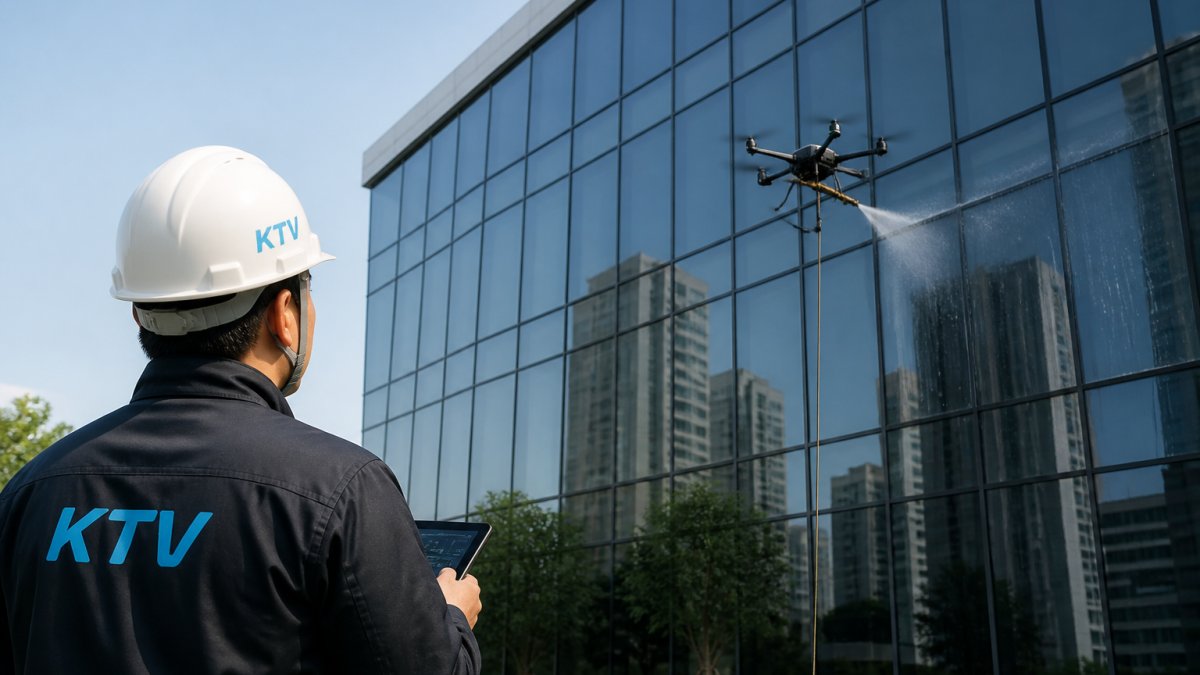
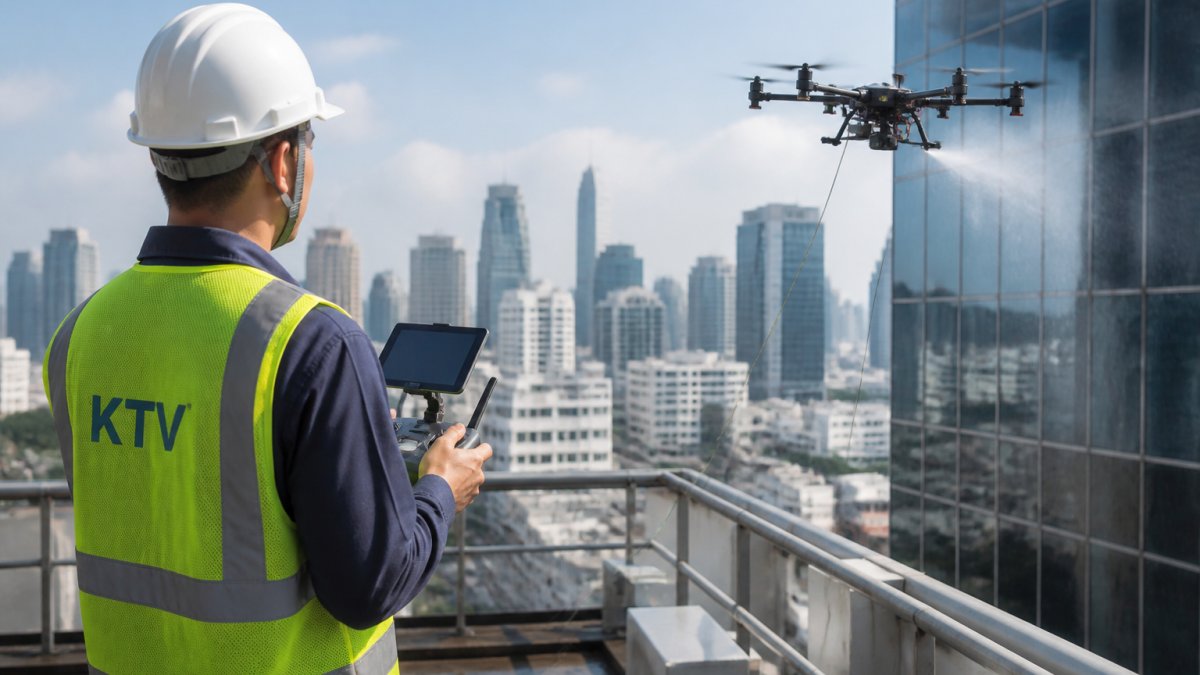
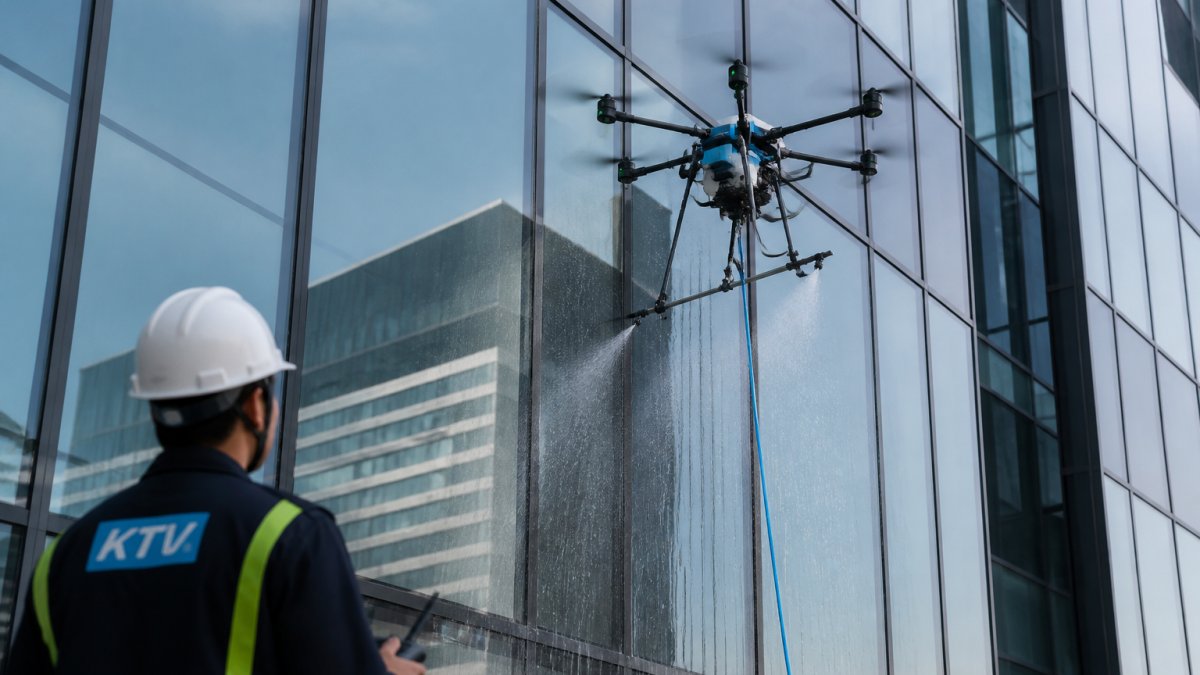
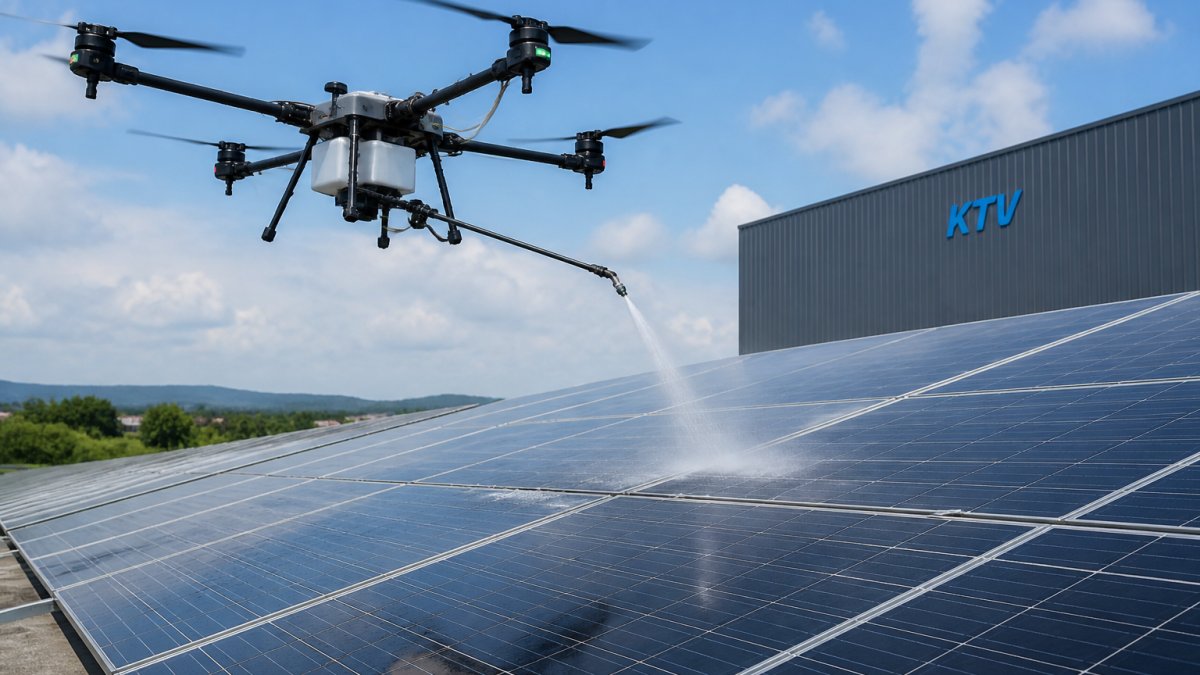
Drone solar panel cleaning is transforming how facility managers maintain photovoltaic systems across commercial, industrial, and utility-scale properties. Rather than relying on manual labor, scaffolding, or abseiling to access rooftop and ground-mounted arrays, autonomous drones deliver faster, safer cleaning that protects both workers and assets.
The shift toward automated maintenance reflects a broader industry trend. Facilities managing large solar installations face mounting pressure to maximize energy yield while minimizing operational risk. Traditional methods consume time, require specialized safety protocols, and often disrupt building operations. Drone-based solutions eliminate these friction points.
This article explores the tangible benefits that make drone cleaning a preferred choice for modern solar asset management.
Reducing Work-at-Height Risks in Solar Maintenance
Work-at-height remains one of the highest-risk activities in building and facility maintenance. Manual cleaning of rooftop or elevated solar arrays requires workers to use harnesses, ropes, and scaffolding, equipment that introduces complexity, cost, and genuine safety exposure.
Drone cleaning eliminates this risk entirely. The autonomous system operates from ground level, removing human workers from elevated positions. This single shift reduces liability exposure, simplifies insurance requirements, and removes the need for specialized abseiling certifications or fall-protection training.
Beyond risk reduction, the operational benefit is substantial. Traditional methods require site closure, safety briefings, and coordination with building occupants. Drones work independently, often during off-peak hours, without disrupting tenant schedules or requiring building-wide safety protocols.
Automated Solar Panel Cleaning Efficiency and Speed
Speed is where drone cleaning delivers its most immediate, measurable impact.
Autonomous drones complete cleaning cycles substantially faster. A typical rooftop or ground-mounted array that would require days of manual labor can be serviced in hours.
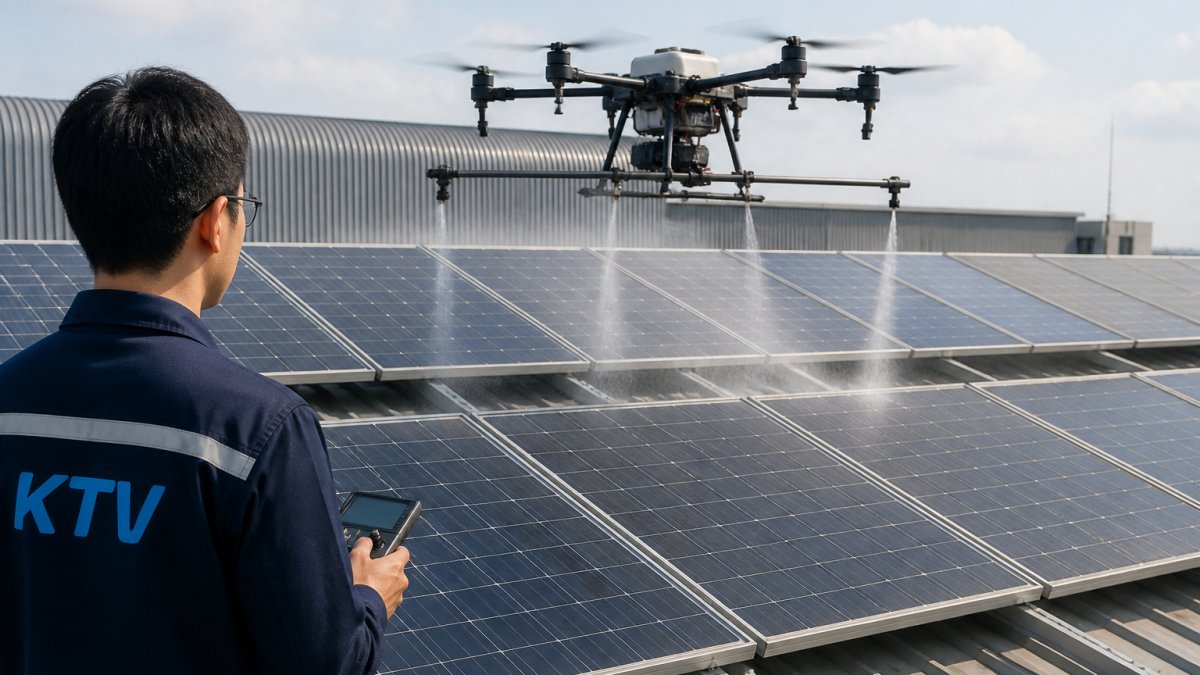
The speed advantage compounds across multiple sites. Facilities managing solar installations at several locations can schedule drone cleaning on a consistent, predictable timeline, something nearly impossible with traditional labor-dependent methods.
Cost Savings and Operational Efficiency
Most articles on drone solar panel cleaning stop at the phrase "reduces labor costs." That is not a business case. A solar asset manager needs to know which cost lines move, by how much, and over what period the investment pays back. This section breaks the financial case into its actual components.
The cost lines drone cleaning changes
Traditional cleaning of rooftop and ground-mounted arrays carries costs that rarely appear on a single invoice:
- Direct labor, cleaning crews, often paid at height-work rates, plus supervision.
- Access equipment, scaffolding, elevated work platforms, abseiling rigging, and their transport and erection.
- Safety compliance, fall-protection gear, harness inspection, rescue plans, and certified personnel.
- Permits and site coordination, work-at-height permits, building access approvals, and tenant notifications.
- Insurance, premiums and excesses that reflect the elevated risk profile of at-height work.
- Downtime, generation lost while crews occupy the array and while safety zones are enforced.
Drone cleaning collapses most of these lines. The system operates from ground level, so access equipment, at-height labor premiums, and much of the permit burden disappear. What remains is the drone operation itself, plus the electricity and water (if any) used in cleaning.
How the payback actually works
The financial case rests on two engines running at once.
1. Cost avoidance. Every cleaning cycle that no longer requires scaffolding, harness crews, and permits removes recurring expense.
2. Yield recovery. Soiling reduces output. The exact loss depends on location, season, tilt, and local dust or pollution levels, but the principle is universal: a soiled panel produces less than a clean one.
A useful way to frame the decision is cost per cleaning cycle versus value of energy recovered per cycle. If the recovered yield over a defined period exceeds the fully loaded cost of the drone cycle, the operation is cash-positive.
Why frequency changes the math
The counter-intuitive part of solar maintenance economics is that cleaning more often can be cheaper per unit of energy than cleaning rarely. A heavily soiled array loses output continuously; the longer it stays dirty, the more energy is permanently foregone. Frequent, low-cost drone cycles keep the array closer to its clean-state performance, so the average yield across the year is higher.
This is where drone economics differ from manual economics. Manual cleaning is expensive enough per cycle that operators delay it, which means they tolerate long periods of degraded output. Drone cleaning is cheap enough per cycle that the optimal schedule shifts toward regularity, and regularity is what protects annual yield.
What to model before committing
When building the internal case, quantify these inputs for your own site:
- Array capacity and expected annual generation.
- Local soiling rate and the resulting output loss between cleanings.
- Current fully loaded cost per manual cleaning cycle, including access and safety.
- Proposed drone cycle cost and frequency.
- Value of the energy recovered (tariff, PPA rate, or avoided purchase price).
The output is a simple comparison: total annual cleaning cost under each method, against total annual generation under each method. The method with the better net position wins, and in most large-installation scenarios that is the drone schedule.
Total cost of ownership, not just cleaning cost
The cleaning invoice is only one part of the picture. Consistent cleaning also slows soiling-related degradation and reduces the risk of hot spots and uneven wear that can shorten panel life. Extending the productive life of an array defers capital replacement, which is typically the single largest line in the total cost of ownership calculation. That deferred capital, spread across the asset's life, is often the most valuable financial benefit of a disciplined drone cleaning programme.
ESG Data in Solar Facility Management and Reporting
Environmental, Social, and Governance (ESG) reporting has become essential for large real estate firms, energy operators, and sustainability-focused organizations. Regulators, investors, and stakeholders increasingly demand independently verifiable data demonstrating genuine environmental commitment.
Drone cleaning generates auditable digital records that support ESG claims. Each cleaning cycle produces timestamped documentation, imagery, and performance metrics that third-party auditors can verify.
We provide independently verifiable ESG data that meets audit standards.
This documentation advantage extends beyond compliance. It strengthens investor confidence, supports funding applications, and differentiates your facility in the market. Prospective tenants and partners increasingly value properties with transparent, verifiable sustainability credentials.
Environmental Impact and Sustainability Gains
The environmental case for drone cleaning is compelling. The process eliminates chemical usage entirely, no detergents, no runoff, no environmental contamination.
Beyond the cleaning process itself, drone maintenance reduces the environmental footprint of solar asset management. Traditional methods require vehicle transportation, scaffolding materials, and labor-intensive logistics.
More importantly, drone cleaning extends the operational life of photovoltaic systems. Clean panels generate more power over longer periods, maximizing the return on the solar investment and reducing the need for premature replacement.
The cumulative effect is significant. For large-scale solar installations, the environmental benefit of consistent drone maintenance, through extended asset life and optimized energy yield, often exceeds the environmental cost of the technology itself.
How Drone Cleaning Protects Your Solar Investment
Protecting a solar investment is not only about keeping glass clean. It is about operating within the rules, keeping the asset available, and catching problems before they become expensive. Two practical realities decide whether a drone programme actually delivers that protection: regulatory compliance and battery-driven operational limits. Most articles skip both. This section does not.
Operating legally: the compliance layer
Industrial drone operations are regulated, and solar cleaning sits squarely inside those rules. Before any cleaning flight, an operator must address:
- Registration and licensing, the drone and, in most jurisdictions, the remote pilot must be registered or licensed under the national aviation authority's rules for unmanned aircraft.
- Airspace classification, many solar sites sit near airports, heliports, or controlled airspace, which may require prior authorisation or a flight plan.
- Operational limits, maximum altitude, visual line-of-sight requirements, and distance-from-people rules that constrain how close a drone can work to occupied buildings.
- Insurance, third-party liability cover is typically mandatory, and the policy must explicitly cover commercial cleaning operations.
- Privacy and data, cameras and sensors used for debris detection capture imagery, which brings data-handling obligations.
Because these rules vary by country and are updated periodically, the correct approach is to work with an operator who holds current authorisations and can produce them on request. A compliant operator will also maintain flight logs, maintenance records, and pilot certifications, the same documentation that later supports your ESG and audit trail.
Battery life and operational downtime: the honest limits
The single most misunderstood constraint in drone cleaning is flight time. Battery-powered cleaning drones typically operate in short sorties, often measured in tens of minutes rather than hours, after which the battery must be swapped or recharged. This has direct consequences for how a cleaning programme is planned:
- Sortie-based scheduling. Work is divided into flights, each covering a defined section of the array, with battery swaps between them.
- Spare battery inventory. Productive throughput depends on having enough charged batteries to keep the drone flying while others recharge.
- On-site power. For large arrays, a charging station or generator on site reduces turnaround time between sorties.
- Weather windows. Wind and rain can ground the drone, so schedules need buffer days rather than a single fixed slot.
The practical effect is that drone cleaning is not a continuous process, it is a series of short, efficient bursts. A well-run operation plans around this by batching sorties, pre-charging batteries, and treating the cleaning day as a coordinated sequence rather than a single pass.
Turning limits into an advantage
These constraints are not weaknesses; they are the reason drone cleaning is safe and precise. Short sorties mean the drone stays close to its operator and within line of sight. Battery swaps mean the system is never pushed to the edge of its endurance. And the compliance layer means every flight is logged, which feeds directly into the asset's maintenance record.
Early detection: the sensor layer
Beyond cleaning, drones can carry sensors that detect debris accumulation, shading, and surface anomalies before they reduce output. This turns each cleaning cycle into an inspection cycle as well. Catching a cracked panel, a loose connector, or a persistent shading issue early is far cheaper than discovering it after months of degraded generation.
Frequently Asked Questions
What are the main benefits of drone solar panel cleaning compared to traditional methods?
Drone solar panel cleaning eliminates work-at-height risks by removing the need for scaffolding and manual abseiling. The process is chemical-free, reducing environmental impact, and operates up to 80% faster than traditional methods. Autonomous drones provide consistent cleaning results across large installations while generating independently verifiable data for ESG reporting and regulatory compliance.
How does automated solar panel cleaning efficiency improve energy output?
Dust, debris, and shading reduce photovoltaic system performance significantly. Automated drone cleaning removes accumulated contaminants across all panels uniformly, restoring energy yield optimization and extending the operational life of your solar installation. Regular preventative maintenance through autonomous navigation systems ensures consistent power output without manual intervention delays.
Can drone cleaning help meet ESG reporting requirements for solar facilities?
Yes. Drone cleaning operations provide auditable digital records, remote monitoring data, and independently verifiable ESG metrics that third-party auditors accept. This documentation supports GRESB compliance and sustainability reporting by creating transparent records of maintenance activities, carbon emissions reductions, and labor safety improvements across your solar farm management operations.
Is drone cleaning safe for rooftop and ground-mounted solar arrays?
Drone cleaning uses non-contact technology that eliminates surface damage risk to photovoltaic systems. The process requires no human workers at height, removing scaffolding hazards entirely. Both rooftop installations and ground-mounted arrays benefit from the same safety profile, with autonomous navigation systems ensuring precise flight path planning and debris detection to avoid any contact with panels or building structures.