 ultimate-guide
Drone Building Maintenance: Liability & Insurance Guide
Table of Contents
- What Is Drone Building Maintenance Liability?
- Why Drone Building Maintenance Liability Insurance Is Mandatory
- CAAT Drone Registration Requirements and Insurance Obligations
- Commercial Drone Third-Party Liability Insurance Explained
- Drone Maintenance Safety Protocols and Risk Mitigation
- Coverage Types: Hull Damage, Property Damage, and Bodily Injury
- Selecting the Right Policy: Coverage Limits, Deductibles, and Renewal Checklist
- Frequently Asked Questions
Last Updated: September 28, 2026
What Is Drone Building Maintenance Liability?
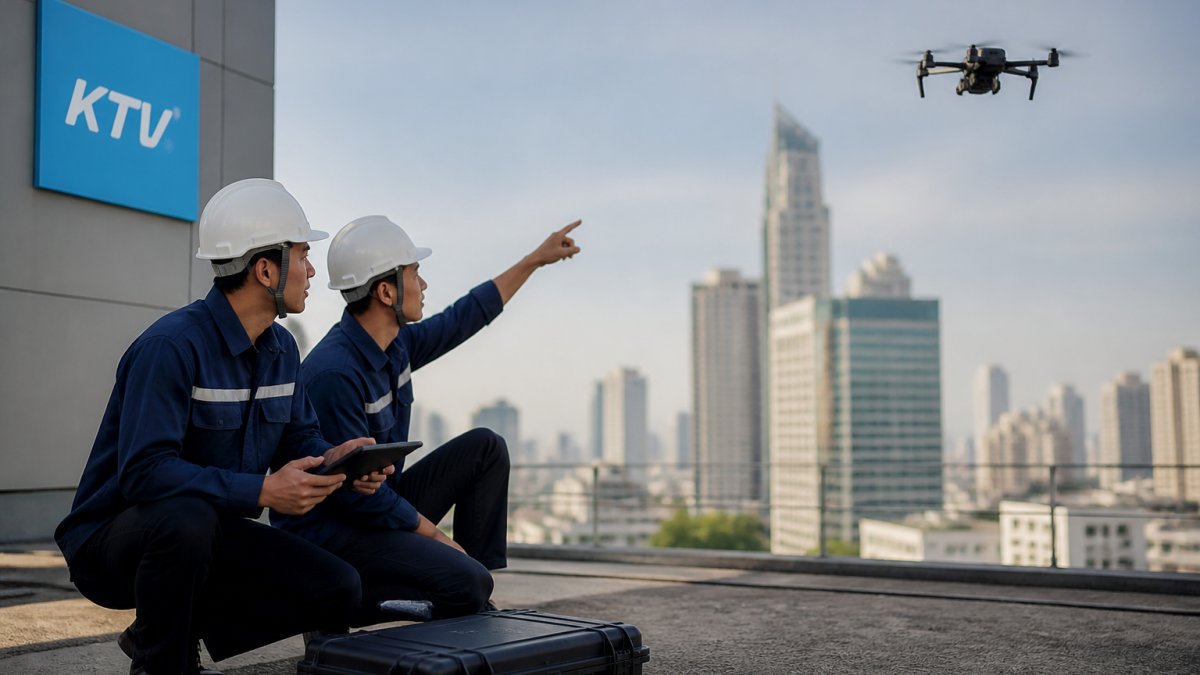
Drone building maintenance liability refers to the legal and financial responsibility a property owner or operator assumes when using unmanned aerial vehicles for exterior building maintenance tasks. This includes potential claims arising from property damage, bodily injury to bystanders, or damage caused by the drone itself during cleaning, inspection, or repair operations.
When a drone malfunctions or injures someone during maintenance work, liability questions emerge: Who pays for repairs? Who covers medical costs? Traditional building maintenance insurance often excludes unmanned aircraft operations entirely, making drone building maintenance liability insurance essential for commercial property operators.
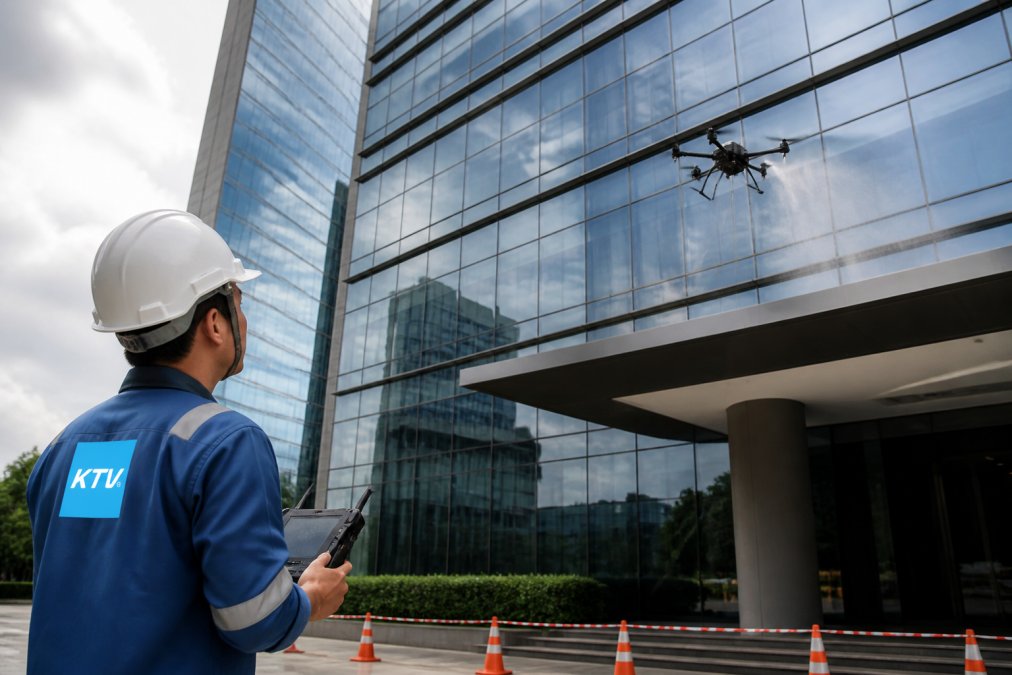
Liability exposure extends beyond the obvious: a drone malfunction during facade cleaning can damage adjacent structures, vehicles, or people below. Third-party liability coverage protects against these scenarios, but only if the policy explicitly includes drone operations. Many facility managers discover too late that their existing insurance policies contain blanket exclusions for unmanned aircraft.
Why Drone Building Maintenance Liability Insurance Is Mandatory
Regulatory authorities in the region require operators to carry third-party liability insurance before conducting any commercial drone operations. The Civil Aviation Authority of Thailand mandates that commercial drone operators maintain active insurance coverage as a condition of operation. This isn't optional compliance, it's a legal prerequisite for obtaining and maintaining flight authorization.
Liability insurance protects against financial exposure that can devastate operations. A single incident can trigger claims far exceeding the insurance premium cost. Without coverage, your organization absorbs 100% of repair costs, medical expenses, and legal fees.
CAAT Drone Registration Requirements and Insurance Obligations
The Civil Aviation Authority of Thailand regulates all commercial unmanned aerial vehicle operations. CAAT registration is mandatory for any drone used in commercial applications, including building maintenance. The registration process requires proof of third-party liability insurance before approval is granted.
CAAT classifies drones by weight and operational scope, specifying minimum coverage limits based on drone weight class and operational altitude. Building maintenance drones typically require the strictest insurance requirements.
Operators must maintain current certificates of insurance, flight logs, and maintenance records. Insurance policies must explicitly reference unmanned aerial vehicle operations; standard commercial liability policies will not satisfy CAAT requirements.
Commercial Drone Third-Party Liability Insurance Explained
Third-party liability insurance is coverage that protects against claims filed by individuals or organizations other than the drone operator. If a drone strike damages a neighboring building or injures a bystander, third-party liability coverage responds to that claim.
Commercial drone third-party liability policies typically cover bodily injury (medical expenses and rehabilitation), property damage (repair or replacement of structures, vehicles, or equipment), and personal injury claims (defamation or invasion of privacy).
Policy limits vary by risk profile. High-rise building maintenance requires higher limits than ground-level work. Deductibles typically range from modest amounts to several thousand baht, depending on policy structure and risk assessment.
Most policies exclude claims from intentional misconduct, regulatory violations, or operation outside approved airspace. Maintenance-specific liability, damage caused by the cleaning process itself rather than drone malfunction, may require separate coverage.
Drone Maintenance Safety Protocols and Risk Mitigation
Maintenance-specific liability arises from the maintenance process itself, not flight accidents, a critical distinction for insurance validity.
Battery and Power System Liability
Firmware and Software Updates
Outdated firmware may contain known vulnerabilities or stability issues. If a drone experiences control failure and the operator has not applied the latest firmware update, the insurer may argue the operator failed to maintain equipment safely. Best practice is to apply firmware updates during scheduled maintenance windows, test the drone post-update, and document the update date and version in flight logs.
Cleaning Agents and Chemical Residue Liability
Chemical agents used in facade cleaning can cause corrosion if they contact the drone's electronics or battery connectors. Insurance policies typically exclude damage from operator misuse. Operators must establish strict protocols: (1) cleaning solutions applied only to building surfaces, never to the drone; (2) drone maintains safe distance from wet surfaces; (3) after each flight in chemical-heavy environments, the drone is inspected for residue and cleaned; (4) inspection findings documented. This documentation demonstrates reasonable care and separates maintenance-related liability from equipment failure liability.
Component Replacement and Reinstallation Liability
If a propeller is reinstalled incorrectly, misaligned, under-torqued, or installed on the wrong motor, the drone may experience catastrophic failure mid-flight. Insurance policies exclude claims from improper maintenance or assembly. Operators must follow manufacturer torque specifications exactly and document every component replacement with date, part number, and technician name.
Pre-Flight Inspection Discipline and Documentation
Pre-flight inspection is the operator's last opportunity to identify maintenance-related defects before they become liability events.
Maintenance Schedule Alignment with Insurance Underwriting
Maintenance Records as Insurance Evidence
Coverage Types: Hull Damage, Property Damage, and Bodily Injury
Hull coverage protects the drone itself against damage from collision, weather, or equipment failure, excluding wear and tear or maintenance-related failures. Property damage liability covers claims for damage to structures, equipment, or vehicles caused by drone operations. Bodily injury liability covers medical expenses and legal liability if a drone strike injures a person, including emergency care, hospitalization, rehabilitation, and lost wages.
Selecting the Right Policy: Coverage Limits, Deductibles, and Renewal Checklist
Coverage limit selection depends on drone weight class, operational altitude, and surrounding risk environment. Risk assessment should account for property values in the operating area and population density below flight paths.
Annual Policy Renewal Audit Procedure
Step 1: Operational Scope Verification
Step 2: Regulatory Compliance Drift Check
Step 3: Claims History and Incident Review
Step 4: Policy Exclusion and Limitation Review
Step 5: Documentation Completeness Verification
Step 6: Coverage Limit Reassessment
Step 7: Deductible Reassessment
Step 8: Insurer Stability and Market Comparison
Renewal Documentation Checklist
| Audit Element | Documentation Required | Deadline |
|---|---|---|
| Operational Scope | Flight logs, maintenance records, incident reports | 90 days before expiration |
| Regulatory Compliance | CAAT updates, policy requirement verification | 90 days before expiration |
| Claims History | Claims filed, denials, corrective actions | 75 days before expiration |
| Policy Exclusions | Exclusion review, endorsement requests | 75 days before expiration |
| Documentation Completeness | Flight logs, maintenance records, certifications | 60 days before expiration |
| Coverage Limits | Risk assessment, property values, operational scope | 60 days before expiration |
| Deductible Review | Claims history, risk tolerance assessment | 45 days before expiration |
| Insurer Comparison | Quotes from alternative insurers | 45 days before expiration |
| Policy Execution | New policy documents, certificates of insurance | 14 days before expiration |
Renewal Timing and Coverage Continuity
Frequently Asked Questions
What is the liability coverage required for drone building maintenance insurance?
Liability coverage for drone building maintenance typically includes third-party bodily injury protection (covering injuries to bystanders), property damage coverage (for damage to the building or adjacent structures), and operational risk indemnity. The policy limits depend on the building's size, location, and operational scope. Most commercial operators require minimum coverage of 10 million baht or higher for third-party liability. Your specific requirements depend on your building's classification and local regulatory obligations.
What are the CAAT drone registration requirements for commercial building maintenance operations?
The Civil Aviation Authority of Thailand (CAAT) requires commercial drone operators to register their unmanned aerial vehicles and obtain operational approval before conducting building maintenance work. Registration involves submitting flight logs, safety protocols, and proof of insurance coverage. Operators must also maintain current certificates demonstrating compliance with airspace regulations and safety standards. CAAT certification verifies that your drone operations meet national aviation law requirements, which is mandatory before your insurance policy becomes valid.
How does commercial drone third-party liability insurance protect building owners during maintenance work?
Commercial drone third-party liability insurance protects building owners from financial claims arising from drone-related incidents. If a drone malfunctions and damages adjacent property, injures a bystander, or causes other operational risks, the policy covers legal costs and claim settlements. This protection is critical because building owners can be held responsible for contractor negligence. The insurance provides a certificate of insurance that satisfies tenant requirements and demonstrates financial responsibility to regulators and stakeholders.
What specific risks does drone maintenance safety protocols help prevent?
Drone maintenance safety protocols address hardware failure, pilot negligence, weather-related incidents, and airspace violations. These protocols include pre-flight inspections, flight log documentation, weather monitoring, and restricted-zone compliance. Proper maintenance reduces the likelihood of mechanical failures that could cause property damage or bodily injury. Insurance underwriters assess your safety protocols during policy underwriting, and documented compliance can lower your premiums and strengthen claim settlements if an incident occurs.
What happens if a drone malfunctions during building maintenance and causes damage?
If a drone malfunctions and causes damage, your commercial drone third-party liability insurance covers repair costs, legal liability, and claim settlement expenses, subject to your policy's deductible and coverage limits. The claim process requires documented evidence of the incident, including flight logs, maintenance records, and photographic proof of damage. Your insurance provider will conduct a risk assessment to determine whether the malfunction resulted from operator negligence or mechanical failure. Proper maintenance safety protocols and up-to-date flight logs strengthen your claim and reduce dispute risk.
Are there coverage exclusions I should know about when selecting a drone maintenance policy?
Most drone maintenance policies exclude coverage for intentional damage, unlicensed operator negligence, and operations outside approved airspace. Policies typically do not cover damage from natural disasters unless specifically added. Cross-border or international coverage may require additional endorsements. Hull coverage (damage to the drone itself) is often sold separately from liability coverage. Before purchasing a policy, review the exclusions list carefully and confirm that your operational scope is covered. Annual policy renewal provides an opportunity to adjust coverage limits based on changing risk assessments.
How do I prepare for drone maintenance insurance policy renewal?
Create a renewal checklist that includes updated flight logs, maintenance records, CAAT registration status, and any incident reports from the previous year. Review your current coverage limits to ensure they match your building's size and operational scope. Document any safety protocol improvements or additional training completed by operators. Gather proof of any risk mitigation measures, such as upgraded equipment or expanded maintenance schedules. Submit this documentation to your insurance provider 30 days before expiration to allow time for underwriting and ensure continuous coverage without gaps.