 how-to
Get a Quote for Drone Building Maintenance
Table of Contents
- Why Drone Building Maintenance Quotes Matter
- Building Maintenance Quote Checklist: What to Prepare
- Drone Cleaning Site Assessment: How Providers Evaluate Your Building
- Understanding Drone Building Cleaning Cost Factors
- Drone Cleaning Safety Requirements and Compliance Checks
- Step-by-Step: How to Request and Compare Quotes
- What a Complete Quote Should Include
- Frequently Asked Questions
Last Updated: October 5, 2026
Why Drone Building Maintenance Quotes Matter
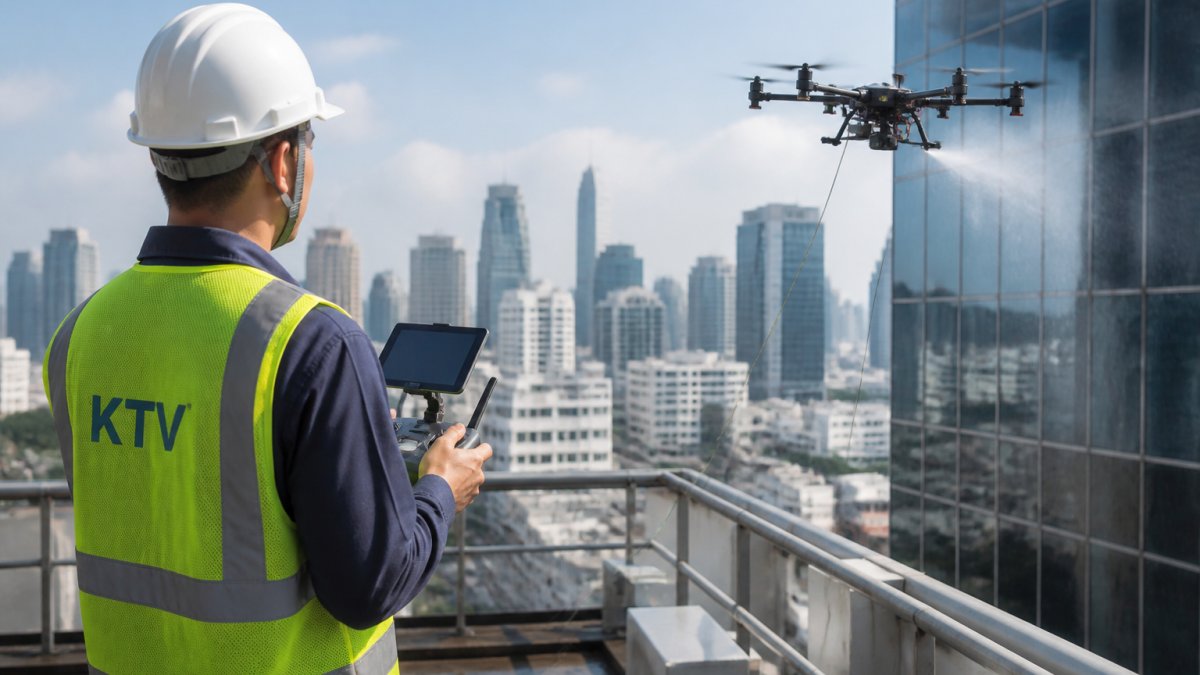
Getting a quote for drone building maintenance has become essential for facility managers who want to eliminate work-at-height risks while controlling costs. The decision to switch from traditional scaffolding or abseiling to drone-based cleaning isn't just about safety, it's about understanding exactly what your building needs and what you'll pay for it.
A proper drone building maintenance quote gives you transparency on scope, timeline, and cost before any work begins. It also provides documented proof of what your building's condition was before service, which matters for asset management, insurance claims, and ESG reporting.
The goal of this guide is to walk you through what information you need to gather, how providers evaluate your property, and how to compare quotes so you can make an informed decision about drone building maintenance services.
Building Maintenance Quote Checklist: What to Prepare
Before you request a quote for drone building maintenance, gathering the right information saves time and ensures providers give you accurate estimates. Vague requests lead to vague quotes. Detailed information leads to detailed, reliable pricing.
Property Information You'll Need
Start with the basics: building address, construction year, and current building classification (office, industrial, retail, mixed-use). Document the total number of floors and the approximate height in metres from ground to roof. If your building has multiple wings or irregular geometry, note that, it affects how drones navigate and where they can safely operate.
Get your current building maintenance records if you have them. When was the last exterior cleaning? What method was used? Are there known problem areas, weathered sections, stubborn stains, or surfaces that other providers struggled with? This context helps a provider understand what they're walking into.
Identify who owns or manages different parts of the building. If you're a tenant in a larger complex, confirm whether the building owner or property manager needs to approve the work. Some quotes require landlord sign-off before they're final.
Site-Specific Details That Affect Scope
The physical characteristics of your building directly determine what a drone building maintenance quote will include. Document the primary building materials: concrete, glass, metal cladding, or a mix. Different surfaces require different cleaning approaches, and some are more sensitive to water pressure or chemicals than others.
Note any obstacles around the building: nearby structures, trees, power lines, or antenna arrays. Drones need clear flight paths, and obstacles mean restricted access zones that increase complexity.
Identify which areas need service. Do you want the full facade cleaned, or specific sections? Are roof areas included? Solar panels, ventilation units, or other equipment? The more specific you are about what needs attention, the more accurate your quote will be.
Document tenant occupancy patterns if relevant. Are offices occupied during business hours? Do you need work scheduled outside operating hours? Weekend or evening work typically costs more, and providers need to know your constraints upfront.
Drone Cleaning Site Assessment: How Providers Evaluate Your Building
When a provider conducts a site assessment for your drone building maintenance quote, they're gathering data that determines scope, complexity, and cost. Understanding what they're looking for helps you prepare better information and ask smarter questions.
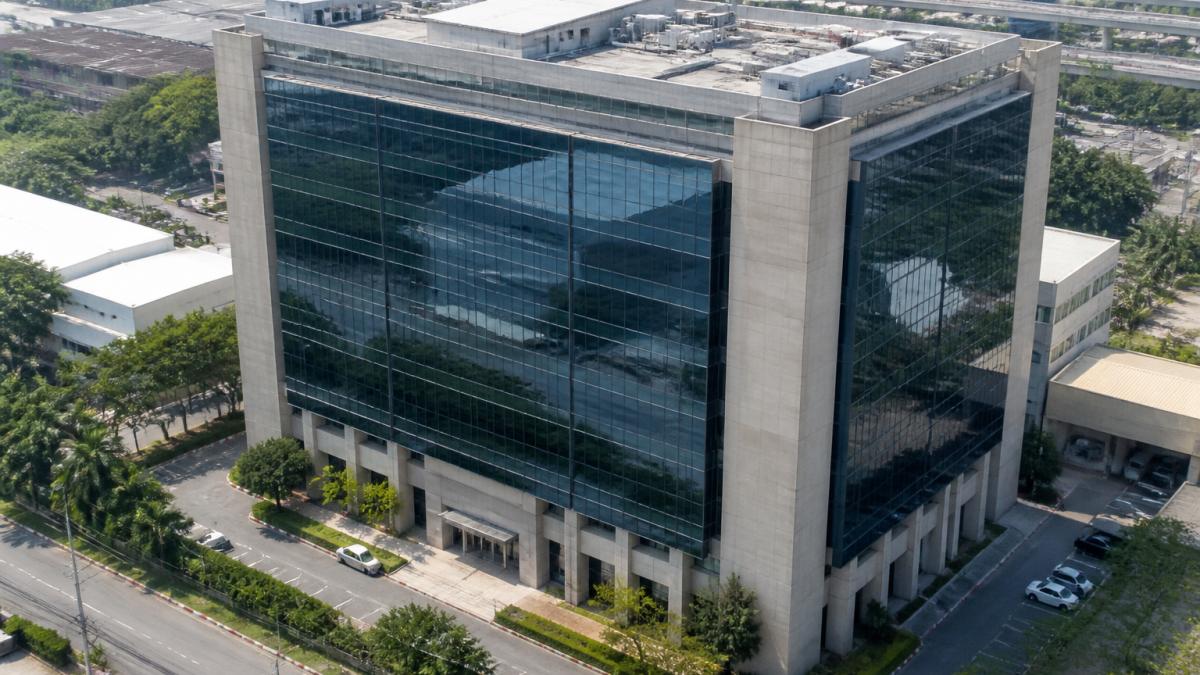
Most providers start with a visual inspection of the exterior surfaces. They assess the current condition: dirt accumulation, algae growth, weathering, stains, or damage.
They measure or estimate surface area, the total square metres of facade, roof, and other exterior surfaces that need cleaning. This is often the primary driver of your quote cost.
They assess building height and access points. Can drones reach all areas safely? Are there wind patterns that affect flight stability? Are there recessed areas, overhangs, or architectural features that complicate access?
They evaluate operational constraints: weather patterns typical for your location, tenant schedules, airspace restrictions, and any special safety requirements. A building in a busy commercial district faces different constraints than an industrial facility in a quieter area.
Understanding Drone Building Cleaning Cost Factors
Your drone building maintenance quote reflects several interconnected factors. Understanding these helps you evaluate whether a quote is reasonable and what you're actually paying for.
Surface Area and Building Height
Surface area is typically the largest cost driver for a drone building maintenance quote. More square metres of facade means more flight time, more cleaning solution or water, and more operator attention. A 20-storey office tower has significantly more exterior surface than a 5-storey building, and that difference shows directly in the quote.
Building height affects operational complexity. Taller buildings expose drones to higher wind speeds, require more sophisticated flight planning, and may demand additional safety margins. A 50-metre building is faster and cheaper to service than a 150-metre building, even if the facade area is similar.
Surface condition also matters. A building that's been maintained regularly costs less to clean than one that hasn't been serviced in years. Stubborn stains, algae growth, or weathered surfaces require more aggressive cleaning approaches, longer flight times, or specialized equipment.
Access Requirements and Operational Efficiency
How easily drones can access your building affects your quote significantly. A simple rectangular building with open airspace around it costs less than a building surrounded by other structures, trees, or power lines. Obstacles force drones to take longer flight paths or limit which areas they can safely reach.
Weather windows matter too. Buildings in areas with frequent rain or high wind require more scheduling flexibility, which can extend project timelines and costs. A provider might need to plan multiple visits to complete the work if weather interrupts progress.
Tenant occupancy and building operations affect scheduling. Work during business hours may require extra safety precautions or coordination. Evening or weekend work costs more. The more flexible your schedule, the more efficiently providers can plan and execute, which typically lowers costs.
Drone Cleaning Safety Requirements and Compliance Checks
A complete quote for drone building maintenance should address safety and regulatory compliance. This protects both you and the provider.
Verify that the provider holds proper drone operating licenses and certifications. In Thailand, drone operations are regulated by the Civil Aviation Authority of Thailand (CAAT). Legitimate providers maintain current CAAT certifications and follow all airspace regulations.
Check insurance coverage. The provider should carry liability insurance that covers drone operations, property damage, and worker safety. Ask what the coverage limits are and request a certificate of insurance.
Ask about safety protocols. How do they manage airspace? What happens if a drone malfunctions? Do they have backup equipment? What happens if weather forces them to stop mid-project?
Confirm that the cleaning process is chemical-free or uses only approved cleaning solutions. Many facility managers prefer water-based cleaning to avoid environmental impact and regulatory complications. Your quote should specify exactly what cleaning method will be used.
Step-by-Step: How to Request and Compare Quotes
Getting a drone building maintenance quote is straightforward if you follow a structured process. This approach ensures you get comparable quotes and can evaluate providers fairly.
Step 1: Gather Your Property Documentation
Compile everything from the checklist above: building address, height, construction year, current condition photos, surface area estimate, and site constraints. Include a site plan or aerial photo if you have one. The more complete your documentation, the faster providers can turn around a quote.
Write a brief description of what you want: full facade cleaning, roof only, or specific problem areas. Note any scheduling constraints. If you need the work done by a certain date, say so, this affects whether a provider can accommodate you and may influence pricing.
Step 2: Submit Your Site Assessment Request
Contact providers and submit your documentation. Most will ask for a site visit to confirm measurements and assess conditions in person. Schedule site visits at times when providers can access the building safely and see the areas that need work.
During the site visit, ask questions. How will they handle specific challenges you've identified? What's their timeline? What happens if weather delays work? A provider who takes time to understand your building and answer your questions thoroughly is more likely to deliver a reliable quote.
Step 3: Review the Quote and Verify Insurance and Licensing
When you receive a quote, check that it includes all the details you requested. Does it specify which areas are included? What cleaning method will be used? What's the timeline? Are there any additional costs or contingencies?
Before you accept a quote, verify the provider's credentials. Request proof of CAAT certification and current insurance. Contact their insurance provider if needed to confirm coverage is active. This is a standard request, any legitimate provider will comply without hesitation.
Step 4: Compare Service Scope and Post-Work Documentation
Compare quotes side by side, but don't focus only on price. A lower quote might exclude areas you need cleaned or use a less thorough cleaning method. A higher quote might include additional services like 3D mapping or detailed condition reports.
Ask what documentation you'll receive after the work is complete. Will you get before-and-after photos? A condition report? Data on surface coverage and cleaning methods used? If you need independently verifiable ESG data for compliance reporting, confirm that the provider can deliver that in a format your auditors will accept.
Check whether the quote includes post-work inspection. A professional provider should verify that the work meets quality standards and document the results.
What a Complete Quote Should Include
A thorough drone building maintenance quote covers several key elements. If a quote is missing any of these, ask for clarification before committing.
A clear description of scope: exactly which areas will be cleaned, measured in square metres where possible.
Pricing breakdown: the total cost, plus itemized costs for different sections or services if applicable.
Timeline: when work will start, how long it will take, and any weather contingencies.
Cleaning method: whether the process uses water, cleaning solution, or other approaches.
Safety and compliance documentation: proof of CAAT certification, insurance details, and a summary of safety protocols.
Post-work deliverables: what you'll receive when the job is done. Photos, condition reports, and data files should be specified.
Warranty or guarantee: what happens if you're not satisfied with the results. A provider confident in their work should stand behind it.
Getting a quote for drone building maintenance is the first step toward safer, more efficient building upkeep.
Frequently Asked Questions
How do I get a quote for drone building maintenance?
Contact a drone building maintenance provider with your property details: building height, surface area, specific areas needing cleaning or inspection, and access constraints. Most providers offer free site assessments to evaluate your building and provide a personalized quote. You'll typically submit property photos, architectural plans, or site sketches. The assessment may be conducted remotely using photos or in-person to identify obstacles, access points, and cleaning requirements. After assessment, the provider delivers a detailed quote outlining service scope, timeline, and cost.
What information should I provide for an accurate drone building cleaning cost estimate?
Provide building height in metres, total facade and roof surface area, building materials (glass, concrete, metal), current condition and soiling level, specific areas requiring attention, tenant schedules and access restrictions, nearby obstacles (trees, power lines, adjacent buildings), and whether you need cleaning, inspection, or both. Include details about water availability, electrical access for charging, and any special requirements like ESG data collection or post-work documentation. The more detail you supply, the more accurate your drone building cleaning cost estimate will be.
What factors affect the cost of drone building maintenance?
Primary cost drivers include building surface area, height requiring specialized access, building material type, current condition and cleaning intensity needed, accessibility and operational efficiency at your site, turnaround time required, and scope (cleaning versus inspection versus both). Additional factors include weather conditions affecting scheduling, need for independently verifiable ESG data, post-work documentation requirements, and whether the service includes 3D mapping or condition assessment. Properties with hard-to-reach areas, complex geometry, or tight tenant schedules may require adjusted service coverage and pricing.
What safety and compliance details should I verify before accepting a quote?
Confirm the provider holds current drone operator licensing and insurance coverage adequate for your property value and risk exposure. Verify compliance with local aviation regulations and work-at-height requirements. Request documented proof of safety protocols, equipment maintenance records, and liability reduction verification. Check whether they provide auditable digital records for compliance and ESG reporting. Ask about incident response procedures and what happens if equipment malfunction occurs during service. Request references from similar-sized properties and review their safety certifications and operational history.